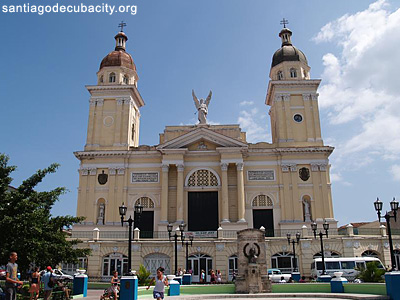
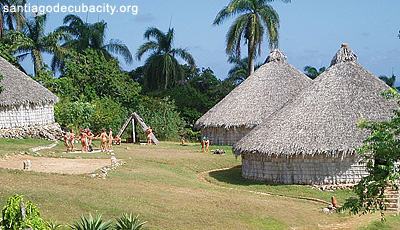
Santiago de Cuba, last of the first 7 existent villages in the XVI century and second city more important of the Island of Cuba, it was founded July 25 1515 toward the end of the process of Spanish conquest of the Island.
Its name: village Santiago de Cuba, comes given by his foundation date, day when the parties are made in honor of Santiago Apostle, warrior saint and patron from Spain.
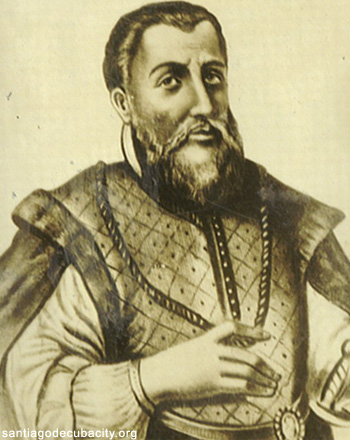
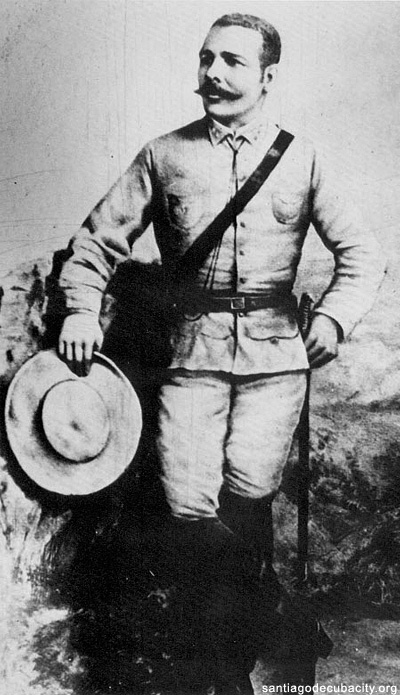
The Foundation of the village Santiago de Cuba was a task commended to Diego Velázquez de Cuéllar (that from his position of Lieutenant of Governor, not only had the responsibility of directing the conquest, also the colonization of the territory and the exploitation in benefit to the colonists and of the Spanish crown).
Santiago from Cuba, it was destined to be the Spanish Government's Headquarters in the Island after being discovered its exceptional geographical conditions, so the excellent location of the port with easiness for the communication and sailing in the lands already conquered and the places in that conquest began, besides the great abundance of mineral existent vestiges in the village.
Founding the village of Santiago de Cuba, Diego Velázquez proceeded to organize it and to populate it, for which he made different conqueror-colonists of other villages like Baracoa and Bayamo come, and he structured the administration of the same one designating to the four councillor of his first municipal council, and other authorities.
The main appointment relapsed in Hernán Cortés Monroy, noted as mayor, who, from the primitive village, left with his ships, to the conquest of Mexico.
In the structure of government of the Island occupied a privilege position: The Church, Spanish Parliament and The Real Treasury, carrying out each one the functions that established its roll inside the existent society.
The village of Santiago de Cuba was raised high to the city range in 1522 after that April 28 1522 a Pope Alejandro VI's bull transferred the bishopric and its "Nuestra Señora de la Asunción" of the village of Baracoa to this honorable city.
After having reached this range, Santiago de Cuba, eclectic style's city, rested his life and initial prosperity in the only exportable line of good value that the Island got for those years: Gold. Like government's headquarters and of The Real Treasury, here it was the main foundry, and everyone that had gathered gold has come to Santiago to fuse it and pay the taxes.
The gold production got its more prosperous period in the decades of 1520 and 1530. But with the exhaustion of this, necessarily took place a change of attitude toward the land (real estate). To possess the land it was not from then on only a reason of nobility, but also the indispensable resource to sustain or to reach wealth, fundamentally through the cattle, almost the only productive line with exportable value that was in the Island.
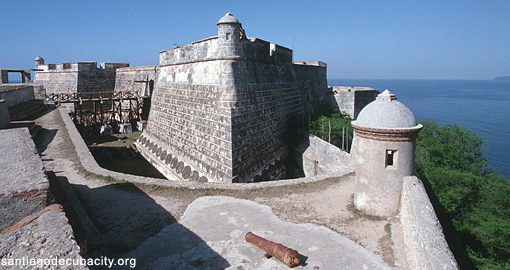
This crisis, more other facts that gave beginning to a long period of decadence of the city, were among other: The discovery of the advantages of the sailing for the Channel of Bahamas - to the north of Cuba - it took out Santiago de Cuba of the habitual route of the ships that came and went to Spain, and the depopulation of the city, since the inhabitants moved to the prospers village of Havana, as well as to the rich colonies, even to Bayamo, safe places for the attacks of corsairs and pirates.
It was the Cuban capital in the period from 1515 to 1607 because to these unfavorable circumstances in those that the King from Spain is forced to divide the island in two governments, Havana and Santiago, passing this last one to a background, being subordinated to the first one, and being the capital city of the the county of East.
Already to beginnings of the XIX century, the city of Santiago de Cuba was industrial and commercially developed, the same as agricultural, mining and economic. Always with certain ascending rhythm. Nevertheless the communications and the growth of other urban masses in the county, allow that this conserved their dominion and attraction.
It had good buildings, residence neighborhoods, schools, institutes, laboratories and industries. Everything due to the increment of the commercial relationships with other countries that given the importance some of them established consulates here in the city.
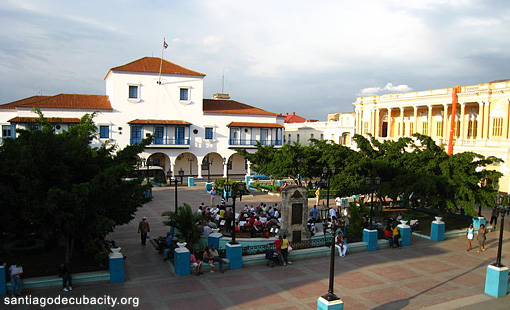
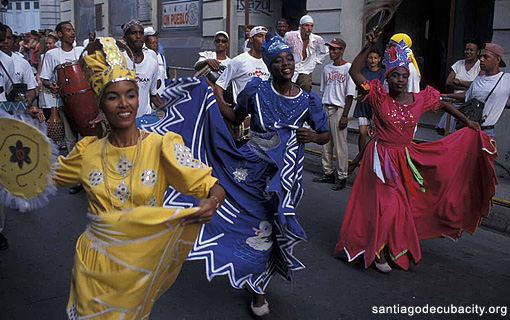
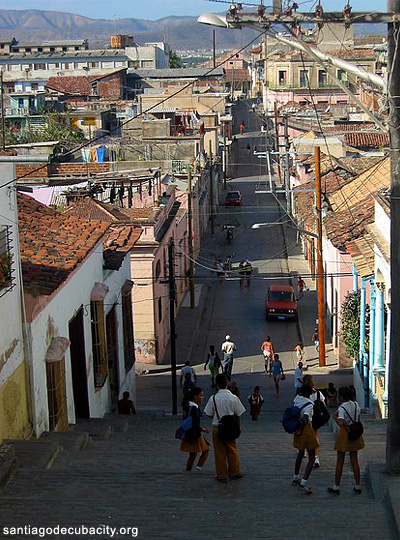
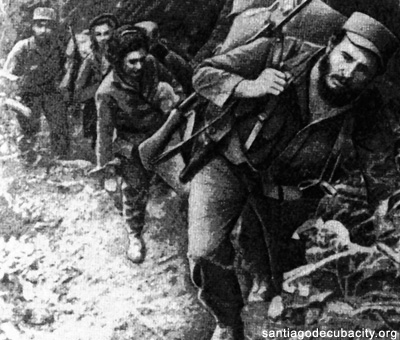
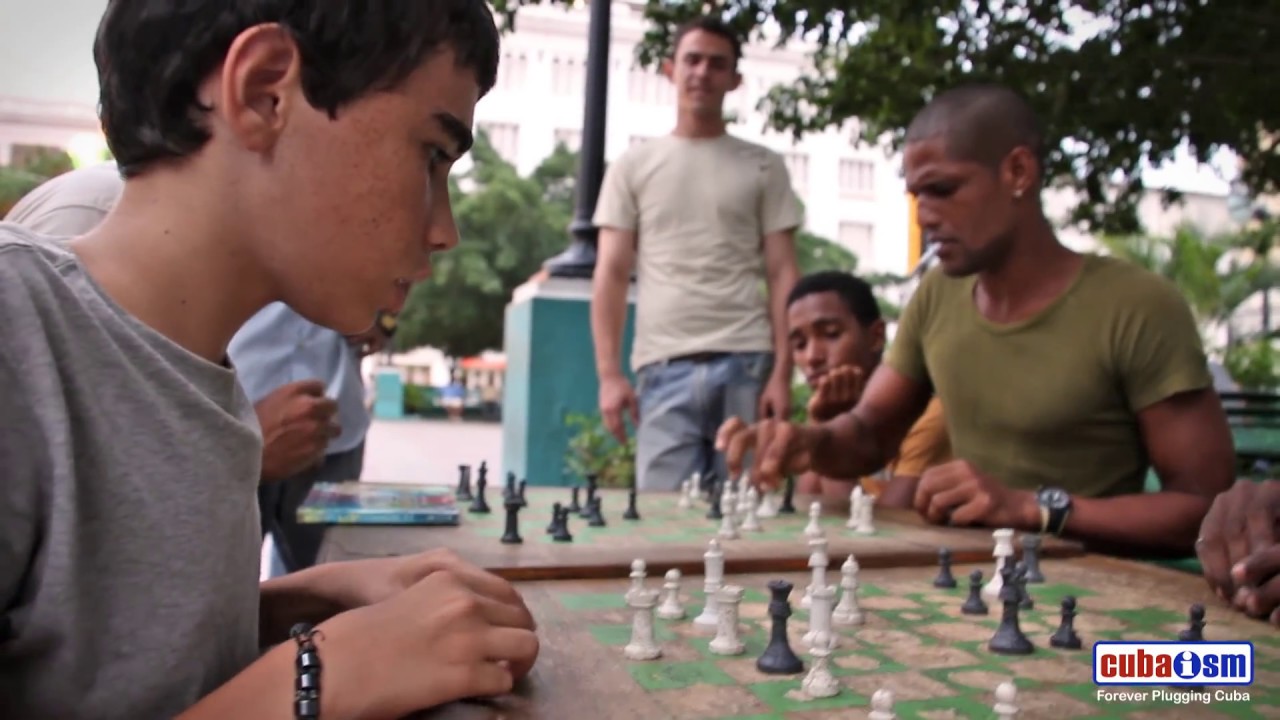
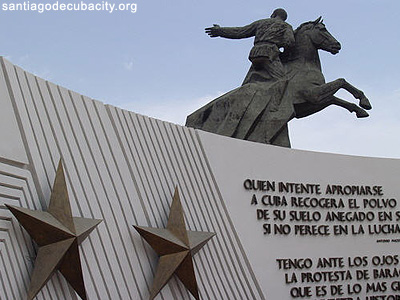
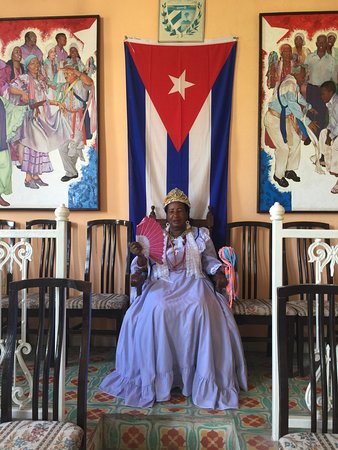
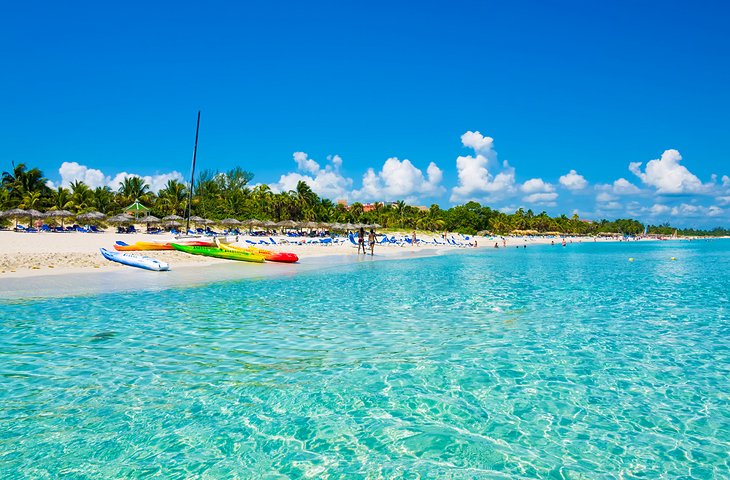
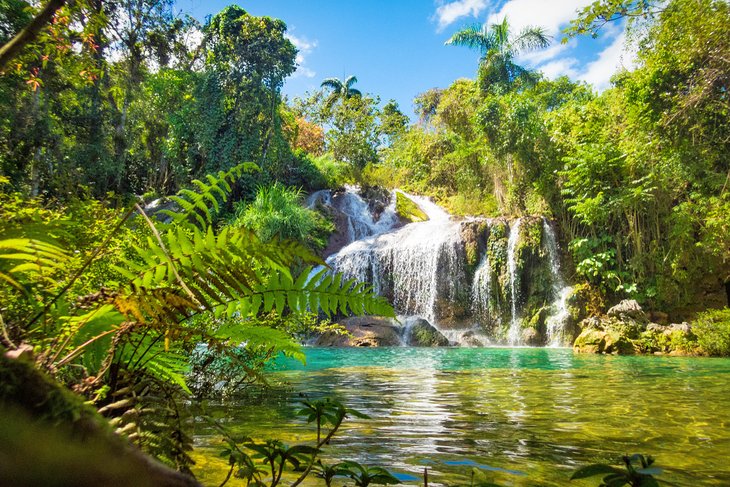
Santiago de Cuba, considered Hero City of the republic, title that was granted by the support from its town to the liberal gestes of the Cubans, is at the moment the second more populated city of the country. Also, it is a tourist destination in which it combine multiple and attractive values which allow the visitor to enter in contact with its people's idiosyncrasy, the culture and history of the place and, at the same time, to enjoy its well conserved nature and exotic beaches.
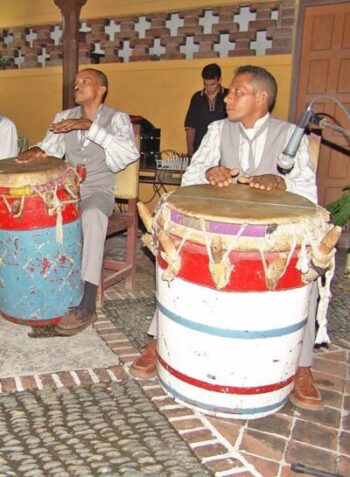
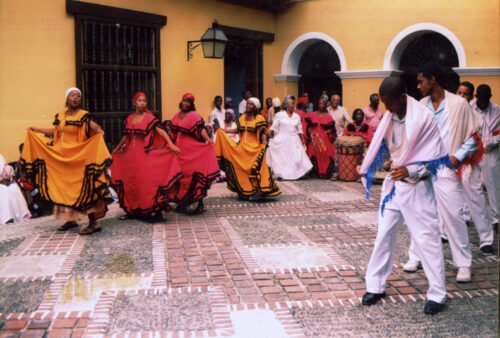
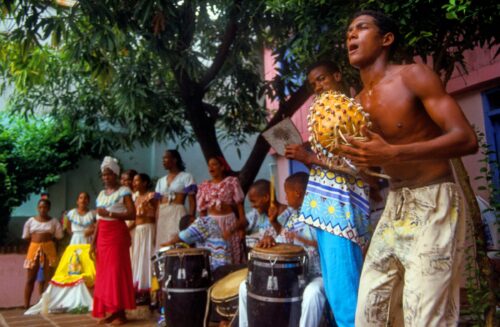
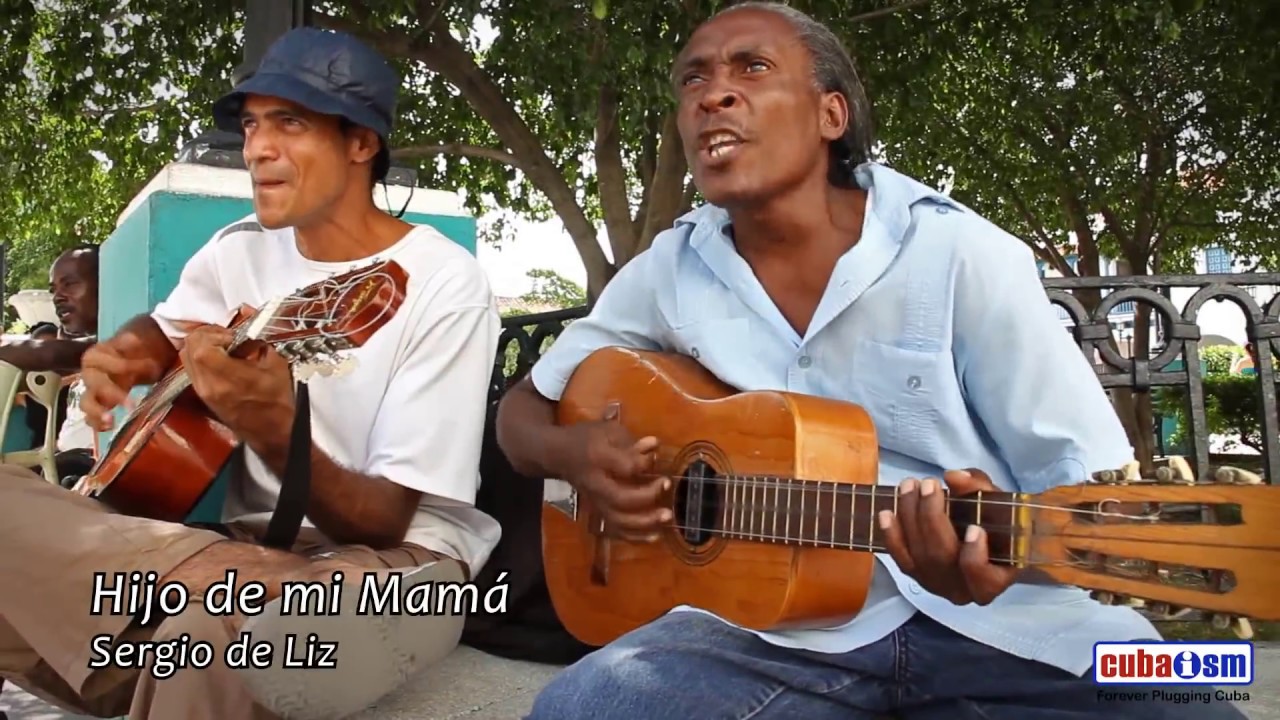
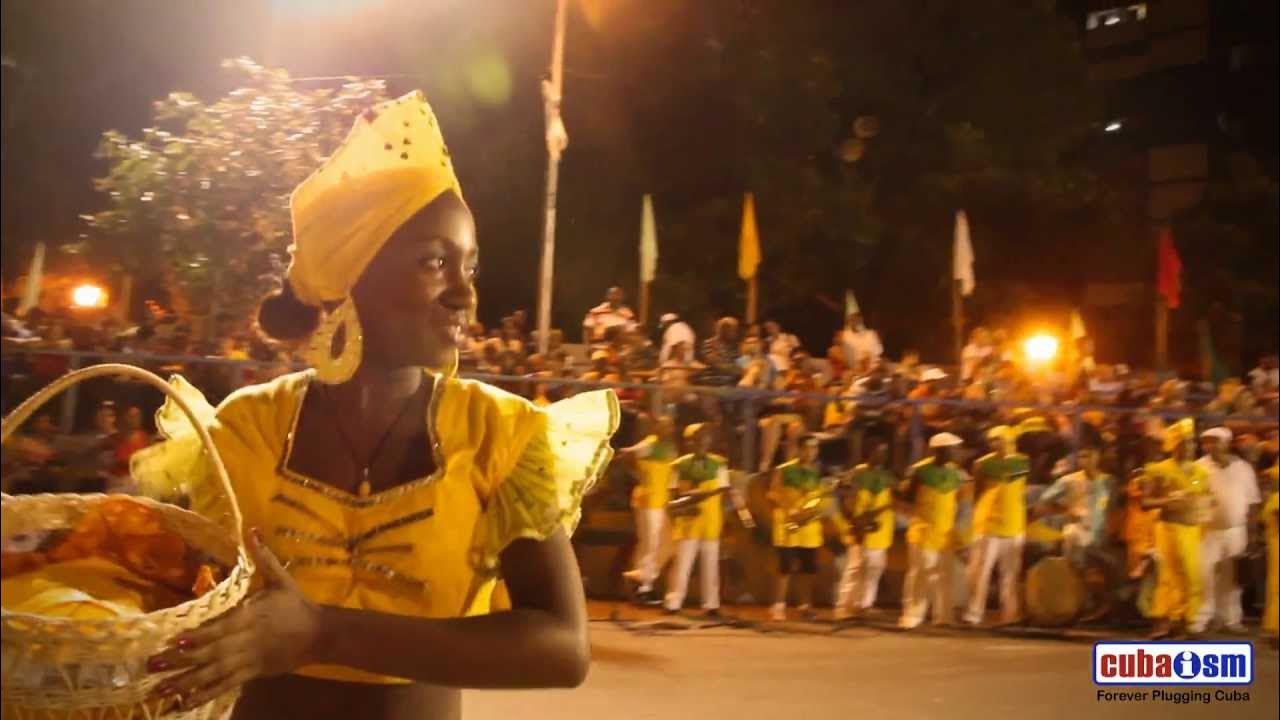
There is in the city - grateful as the most Caribbean in Cuba - a score of important museums; and for the night life works many pleasant places, among cabarets, discos, piano bars and rooms of parties.
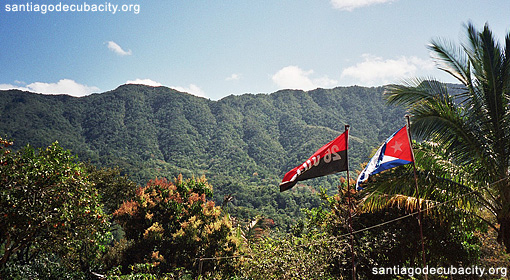
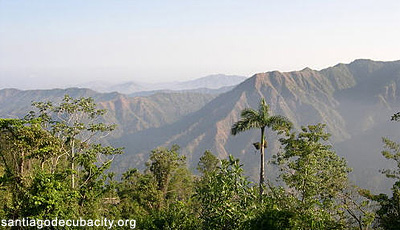
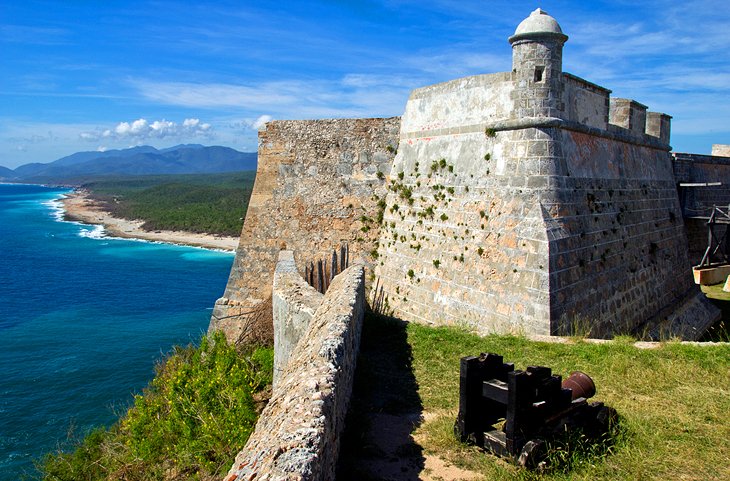
The most peculiar thing is the contrast of the Santiago de Cuba city that cohabits with the sea and the mountains, since it’s located around the immense bay flooded by the sea Caribbean, and it has as backdrop and belt that wraps it on the side of mainland to the Sierra Maestra. This conditions the warm and humid climate of the place, at the same time that it allows to admire beautiful landscapes with a rich composition of urban, natural and marine elements all together.
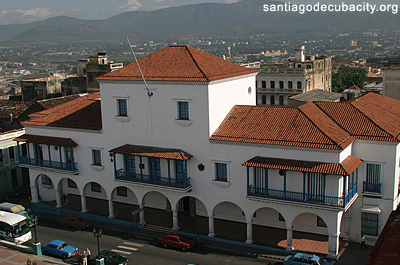
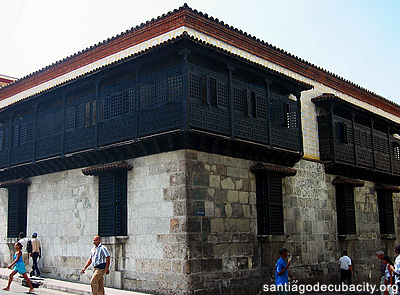
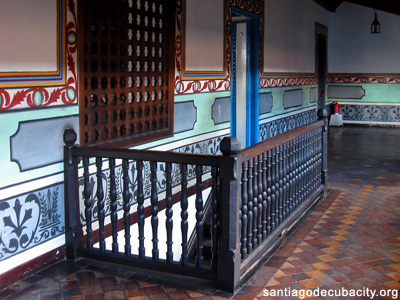
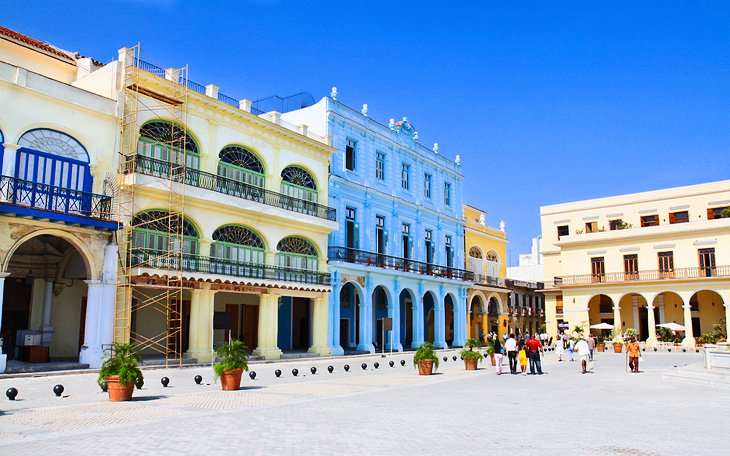
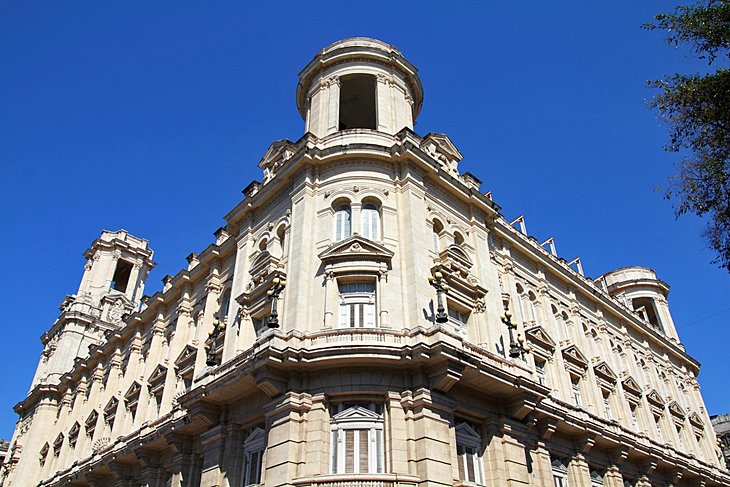
Santiago de Cuba is a city that impresses for his form, in constant dialogue between the architecture and the landscape, as well as for his people's warmth, main characters of a rich history of fights, cultural heritage and miscegenation, a city that has an significant architectural patrimony, and he got the necessity that be preserved and conserve.